

How to Choose the Perfect Mirror Shape
Choosing the right mirror shape is one of the most powerful design decisions you can make in a room. The shape of a mirror doesn’t just reflect light — it sets the entire mood of your space. A well-chosen mirror can make a room feel taller, softer, wider, or more architectural… all without any renovation.
This guide breaks down how to choose the perfect mirror shape for your home so you get the best style, balance, and proportions every time.
1. Start With the Feeling You Want the Room to Have
Every mirror shape has a personality — and your choice should match the atmosphere you want to create.
Round Mirrors: Soft, calm, modern
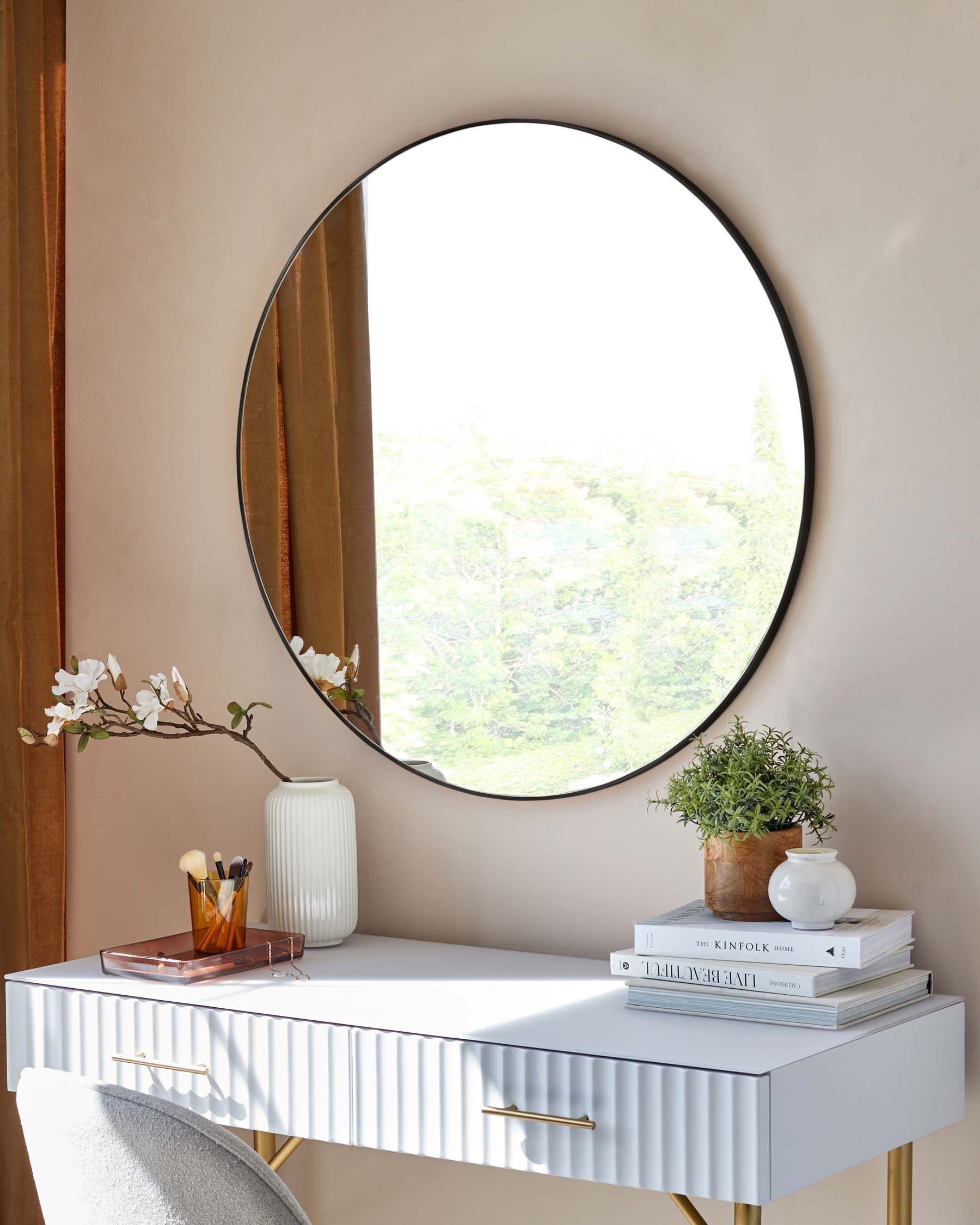
Round mirrors instantly soften a space. They remove sharp lines and bring a sense of harmony, making them ideal for bedrooms, entryways, and minimalist interiors. Designers use them to balance rooms that feel “boxy” or rigid.
Arch Mirrors: Elegant, tall, architectural
Arch mirrors create height and structure. They add a subtle classical influence while still feeling modern. An arch shape draws the eye upward, making ceilings appear higher and rooms feel more refined.
Oval Mirrors: Smooth, refined, balanced
Oval mirrors combine the softness of round mirrors with the linear stability of rectangular ones. They’re perfect above vanities, dressers, or anywhere you want elegance without being overly bold.
Rectangle Mirrors: Clean, contemporary, versatile
Rectangles are the most versatile of all shapes. They suit virtually every style — from modern to industrial to Scandinavian. Use them when you want crisp lines, symmetry, and maximum functionality.

2. Match the Shape to the Wall & Furniture Lines
The key is alignment. The shape of your mirror should complement the shape of the furniture or wall section it sits above.
Above narrow furniture → Choose vertical shapes
- Arch mirrors
- Vertical rectangles
- Vertical ovals
These lift the eye and make narrow consoles or vanities feel taller and more balanced.
Above wide furniture → Choose horizontal shapes
- Horizontal ovals
- Long rectangles
- Large round mirrors (over 30" for balance)
A wide mirror anchors the space and prevents the wall from looking empty or top-heavy.
On large empty walls → Big shapes with presence
Go for dramatic pieces like large round mirrors, tall arches, or oversized rectangles. Scale is essential — the mirror should take 50–75% of the available wall width.
3. Consider the Architectural Lines of the Room
Shape isn’t just décor — it interacts with your architecture.
Rooms with lots of straight lines
Homes with sharp lines (square windows, rectangular tiles, boxy rooms) benefit from round or oval mirrors. They break the monotony and add visual interest.
Rooms with curves or arches
If your home has arched doorways or curved furniture, echo those lines with an arch or oval mirror to create cohesion.
Long narrow rooms
Horizontal mirrors visually widen tight spaces and bounce more light across the room.
Low ceilings
Vertical shapes (especially arch mirrors) draw the eye upward and “add height.”
4. What Each Mirror Shape Communicates
Round Mirrors
- Creates softness
- Perfect for modern, Scandinavian, minimalist homes
- Works beautifully above consoles, beds, small vanities
- Ideal if you want a decorative statement with a clean, calm look
Best for: Entryways, bedrooms, modern interiors, “spa-like” bathrooms.
Oval Mirrors
- Elegant but understated
- Slimmer than round mirrors, perfect for tight spaces
- Best for vanities where width is limited
- Parallel-sided ovals (like your Tuscan Mirrors design) give a sleek, premium look
Best for: Bathrooms, hallways, bedrooms, narrow wall sections.
Arch Mirrors
- Adds luxury and height
- Creates a focal point even without extra décor
- Visually stretches the wall
- Great when you want something more special than a rectangle but not too bold
Best for: Entryways, dining rooms, living rooms, and anywhere you want architectural character.
Rectangle Mirrors
Cleanest and most functional
- Very easy to size and style
- Great for double vanities and above dressers
- Maximizes reflection area for light and brightness
- Works perfectly in modern homes
Best for: Bathrooms, living rooms, hallways, offices.
5. Balance the Mirror Shape With the Room’s Style
Modern / Minimalist
Round and oval shapes thrive here. They soften the edges of a minimal room and add sculptural impact without clutter.
Contemporary / Urban
Rectangle and arch shapes look sharp and intentional. Black frames especially create strong visual contrast.
Classic / Transitional
Arches and ovals blend perfectly with moldings, soft textiles, and layered décor.
Industrial
Rectangles with clean lines and black frames complement the rugged aesthetic.
6. When in Doubt: Go With Your Room’s Main Geometry
A simple rule designers use:
Match the mirror shape to the dominant geometry of the room.
- Many straight lines → soften with round/oval.
- Many curves → match with arch/oval.
- Neutral space → use rectangle for safety or arch for elegance.
This rule alone solves 80% of mirror shape decisions.
7. Bonus: Choosing Shape Based on Placement
Above a Vanity
- Rectangle for maximum function
- Oval for soft elegance
- Round if the vanity is small or you want a boutique hotel vibe
In an Entryway
- Arch for luxury
- Round for modern simplicity
- Rectangle for practicality if you need full height
Living Room
- Large round = statement piece
- Tall arch = architectural lift
- Extra-wide rectangle = widen the room
Bedroom
- Round above the dresser
- Tall rectangle for a full-body reflection
- Oval for softer edges and elegance
8. Don’t Forget Frame Color
Shape decides the style, frame color decides the personality.
- Black: Modern, bold, clean
- Gold: Luxury, warm, elevated
- Chrome/Silver: Sleek, contemporary
- White: Minimal, fresh, airy
Pair black frames with rectangles/arches for modern luxury.
Pair gold with ovals or arches for soft sophistication.
Pair chrome with round mirrors for a clean futuristic feel.
Final Designer Tip
If you ever feel overwhelmed by choices, pick the shape that works best with your wall, your furniture, and your proportions — not the shape you see trending online.
Your home’s geometry knows the answer.